
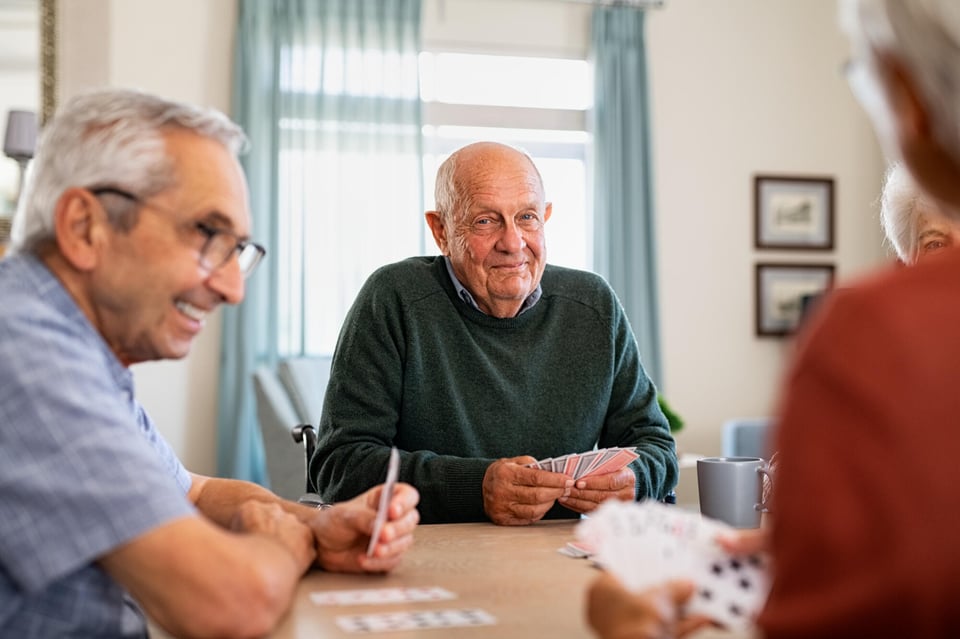
Purposeful mental engagement helps older adults stay confident, motivated, and connected to daily life. At Meadow Oaks of Roseville, residents are encouraged to keep their minds active through routines and experiences that feel meaningful, not forced, in Roseville, CA.
Picture a morning that begins with a reason to get up, a plan to follow, and something to look forward to finishing. Mental engagement works best when it feels useful, personal, and tied to real life, not when it resembles a task list.
At Meadow Oaks of Roseville, daily life is designed to support that sense of purpose, helping residents stay mentally involved in ways that feel natural, rewarding, and genuinely their own.
Why Is Daily Mental Stimulation Important in Senior Living Communities? Social Connection
At Meadow Oaks of Roseville, social connection is a core part of purposeful mental engagement rather than an added benefit. Daily interactions create natural opportunities for residents to think, respond, and share perspectives, keeping the mind active through social stimulation and relationship building. These moments encourage mental alertness while reinforcing a sense of belonging that supports emotional wellbeing.
Meaningful social connection goes beyond casual interaction. Residents engage in discussions that invite reflection, storytelling, and thoughtful exchange, allowing them to draw on life experience while staying mentally present. Listening and contributing in shared settings helps maintain:
- Communication skills
- Attention
- Confidence
- Emotional awareness
- Active listening
- Verbal expression
All of these play an important role in cognitive health.
Improving Creativity With Mental Engagement for Seniors
Creativity is encouraged as a natural extension of daily mental engagement at senior living in Roseville. Creative thinking keeps the mind flexible by inviting residents to imagine, interpret, and express ideas in new ways. When creativity becomes part of everyday life, mental activity feels enjoyable and personal rather than structured or demanding.
Mental engagement supports creativity by giving residents space to explore ideas without pressure. Activities that invite expression through storytelling, hands-on projects, or shared reflection allow seniors to tap into imagination while drawing on lived experience. This combination strengthens focus and confidence while reminding residents that creativity continues to grow at every stage of life.
Memory Support
When it comes to memory care at Meadow Oaks of Roseville, mental engagement is carefully tailored to support residents living with memory loss while preserving dignity and comfort. Engagement focuses on:
- Familiar patterns
- Sensory cues
- Reassuring routine
As a result, residents feel more oriented and secure. These approaches support memory and cognitive wellness without creating pressure, allowing residents to participate in ways that feel natural and calming.
Purposeful mental engagement in memory care often centers on recognition rather than recall. Activities are designed to spark familiarity through:
- Music
- Visual prompts
- Storytelling
- Hands-on experiences
This helps residents access memories more easily while reinforcing emotional connection, which often remains strong even as short-term recall changes.
Keeping Up Structure
At Meadow Oaks of Roseville, structure provides a steady foundation for purposeful mental engagement without feeling rigid. Predictable daily rhythms help residents understand what comes next, which supports focus and reduces uncertainty. When the day follows a familiar flow, mental energy can be spent on engagement rather than adjustment.
Consistent structure also supports confidence. Knowing when activities, meals, and social moments occur allows residents to participate more fully and with less hesitation. This sense of reliability reinforces independence while encouraging mental involvement in everyday routines that feel manageable and meaningful.
Structure remains flexible to respect individual preferences and energy levels. Residents can engage at their own pace while still benefiting from the reassurance of routine.
Frequently Asked Questions
When Is It Time for a Loved One to Move Into Senior Living?
The right time to consider senior living often becomes clear when daily life starts to feel harder to manage or less fulfilling at home. The following can signal that additional support and structure would be helpful:
- Ongoing isolation
- Difficulty keeping up with routines
- A noticeable drop in social stimulation
- Declining interest in hobbies or personal care
- Greater reliance on family for daily support
When needs are not being met consistently, a community setting can offer renewed balance for healthy aging.
Another common sign is when safety, nutrition, or overall well-being begins to depend heavily on family members for day-to-day support. Senior living is not only about assistance but about quality of life.
What Are the Signs a Senior Needs More Mental Stimulation?
Signs that a senior may benefit from more mental stimulation for healthy aging often appear gradually and are easy to overlook. Increased boredom or disengagement during the day can signal that the mind is not being challenged often enough. Withdrawal from conversations or less curiosity about surroundings may also point to a need for more purposeful engagement.
Other indicators include difficulty focusing or a general sense of low motivation that is not tied to physical health. When days begin to feel repetitive, gentle mental stimulation can help restore interest and a stronger sense of connection to daily life.
Does Mental Engagement Change as Seniors Age?
Yes, mental engagement often changes with age, but change does not mean decline. Many seniors shift toward forms of engagement that feel more meaningful, familiar, and reflective rather than fast-paced or information-heavy.
The following tend to hold greater value because they connect thinking with lived experience:
- Conversation
- Storytelling
- Creative expression
- Thoughtful routines
As seniors age, mental engagement also becomes more responsive to energy levels and comfort. Shorter, more frequent moments of stimulation often feel better than long sessions, and flexibility matters more than intensity. When engagement respects personal pace and interests, it continues to support clarity, confidence, and emotional well-being at every stage of aging.
Meadow Oaks of Roseville: Explore Today
Clearly, Meadow Oaks of Roseville can be a great option for seniors.
Purposeful mental engagement at Meadow Oaks of Roseville is woven into the details of daily life, from creative sessions in the arts and crafts center to social clubs, walking trails, and shared time in welcoming community spaces. Residents enjoy private studios and suites with kitchenettes and supportive daily living assistance that allows them to focus on what brings meaning to their day.
If you are looking for award-recognized assisted living in Roseville that balances comfort, safety, and engaging routines, schedule a tour to see how Meadow Oaks of Roseville helps residents stay active, connected, and confidently at home.
