OASH reports that an estimated 10 million people aged 50+ in the U.S. have osteoporosis. This condition makes your bones weak and more likely to break.
It often develops without symptoms. Many people don't know they have it until a fracture happens. If you're over 50, your bones may already be losing strength.
That can affect your balance, mobility, and independence. But can osteoporosis be reversed?
Not completely, but it can be managed. With the right care, you can slow its progress and improve your bone health.
At Meadow Oaks, located at 930 Oak Ridge Drive in Roseville, CA, we help seniors manage osteoporosis through personalized support, daily movement, and bone-healthy meals. Our goal is to help you stay active, safe, and strong.
Explore how daily habits, proper care, and the right support can strengthen your bones as you age.
Understanding Osteoporosis
Osteoporosis is a condition that makes your bones weak and brittle. When you have it, even a minor fall or bump can cause a serious fracture. It mainly affects bones in the hips, spine, and wrists.
As you age, your bones naturally lose strength. If you're a woman, especially after menopause, the decline in estrogen makes you more likely to develop osteoporosis. Other risk factors include:
- A family history of the condition
- Lack of regular physical activity
- Smoking
- Certain medications
- Not getting enough calcium or Vitamin D
These factors can make your bones more fragile over time. And since osteoporosis is a "silent disease," it's essential to get a bone density test. Catching it early gives you a better chance to manage it and protect your independence.
Why Bone Health Declines With Age
Bone is a living tissue that is always changing, with new bone being made while old bone is broken down. In youth, bone formation outpaces resorption, allowing bones to grow stronger.
However, as we age, this balance shifts. Bone resorption begins to exceed formation, resulting in gradual bone loss. Women tend to experience more rapid bone loss after menopause, but men are also at risk as they age.
Can Osteoporosis Be Reversed?
The honest answer is no. You can't fully reverse it. Once you lose bone density, restoring it to its original level is extremely difficult.
But you can slow it down. In some cases, you can even improve bone strength. The goal is to prevent further bone loss.
You also want to reduce the risk of fractures. With the right combination of medical treatments, lifestyle changes, and preventive measures, you can manage osteoporosis effectively.
That's why at Meadow Oaks, we focus on personalized care. We help seniors with tailored exercise routines, nutrition, and medications that support bone health. By staying active, eating well, and following your doctor's advice, you can improve your quality of life.
The Role of Nutrition in Bone Health
For strong bones, you need:
- Calcium
- Vitamin D
- Magnesium
- Protein
Calcium strengthens your bones. Vitamin D helps your body absorb calcium.
Magnesium supports bone structure, and protein helps maintain bone density. Some foods that are a good source of these nutrients include:
- Leafy greens
- Dairy products
- Fortified cereals
- Fish
If you have a reduced appetite, try smaller meals or nutrient-dense snacks like:
- Yogurt
- Cheese
- Smoothies with added greens
Supplements can also be beneficial. However, it's important to consult your healthcare provider before taking them to make sure they're right for you.
Aging and Mobility: Exercise as Therapy
Weight-bearing and resistance exercises are key in rebuilding bone density. These exercises put stress on your bones, encouraging them to grow stronger. Consider activities like:
- Walking
- Tai chi
- Resistance band workouts
- Light-weight training
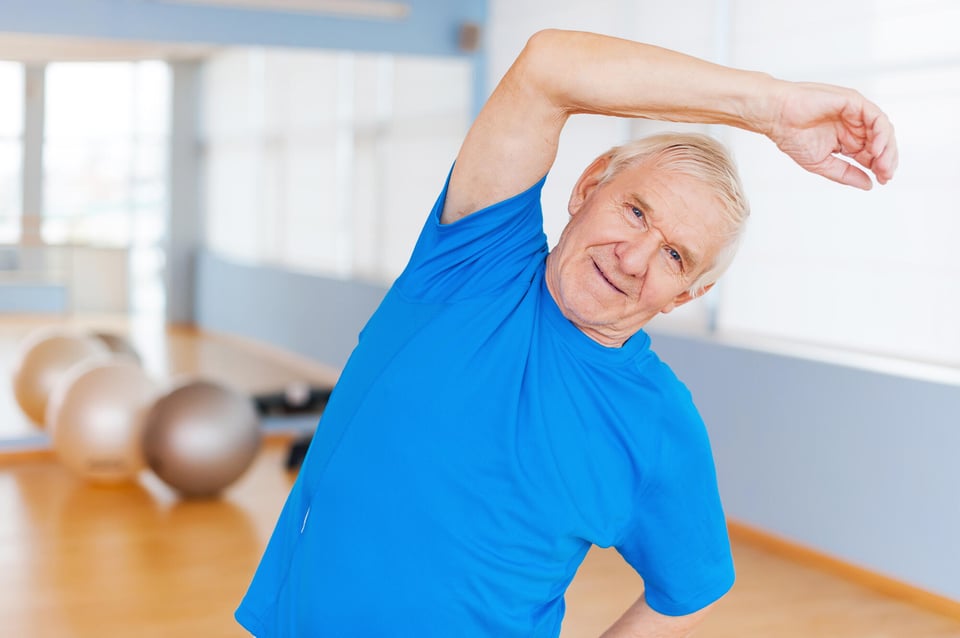
Balance and flexibility exercises also matter. They help you stay steady and avoid falls. This is especially important if your bones are fragile.
Gentle yoga and stretching can improve your balance and range of motion. At Meadow Oaks of Roseville, we support movement through daily healthy routines for seniors.
Residents take part in walks, chair exercises, and light strength training. These routines are simple, safe, and tailored to senior needs.
Lifestyle Tips for Managing Osteoporosis
Managing osteoporosis involves small daily habits that protect your bones. Start by maintaining a healthy weight. Being underweight can increase your risk of fractures.
Avoid smoking and limit alcohol. Both can weaken your bones over time.
To reduce your risk of falls, fall-proof your home by:
- Removing loose rugs
- Adding bathroom grab bars
- Ensuring good lighting
Stay hydrated. Your muscles and joints work better when your body has enough fluids.
Practice good posture, too. It helps relieve pressure on your spine and improves balance.
Don't skip regular checkups. Your doctor can track your bone health and adjust your treatment as needed. These simple lifestyle changes can help you stay strong, steady, and safe.
Medical Treatments for Managing Osteoporosis
If you've been diagnosed with osteoporosis, medical treatment plays a key role in protecting your bones. Your healthcare provider may recommend medications that help slow bone loss or promote new bone growth.
These include:
- Bisphosphonates
- Selective Estrogen Receptor Modulators (SERMs)
- Calcitonin
- Hormone Replacement Therapy (HRT)
These medications are often used along with lifestyle changes like diet and exercise. The best option for you will depend on factors such as:
- Age
- Bone density
- Medical history
- Risk of fractures
Regular checkups help track your progress and adjust treatment if needed. They also allow your doctor to monitor potential side effects and make adjustments to your treatment. This ensures that your treatment plan is as effective and safe for bone health in older adults.
Can Osteoporosis Be Reversed? Uncover the Truth and Take Charge of Your Bone Health
Can osteoporosis be reversed? While it can't be fully reversed, you can slow its progress and improve bone health. With the right wellness tips for aging and lifestyle changes, you can take control of your bone health today.
We at Meadow Oaks of Roseville have proudly provided exceptional assisted living and memory care for years. Our team offers personalized care, including support for managing conditions like osteoporosis, empowering residents to maintain their independence and enjoy life. Our residents participate in our innovative program, Vibrant Life®, allowing them to create their own schedules and connect with family and friends.
Don't let osteoporosis control your life. Contact us today and let's help you age safely.
